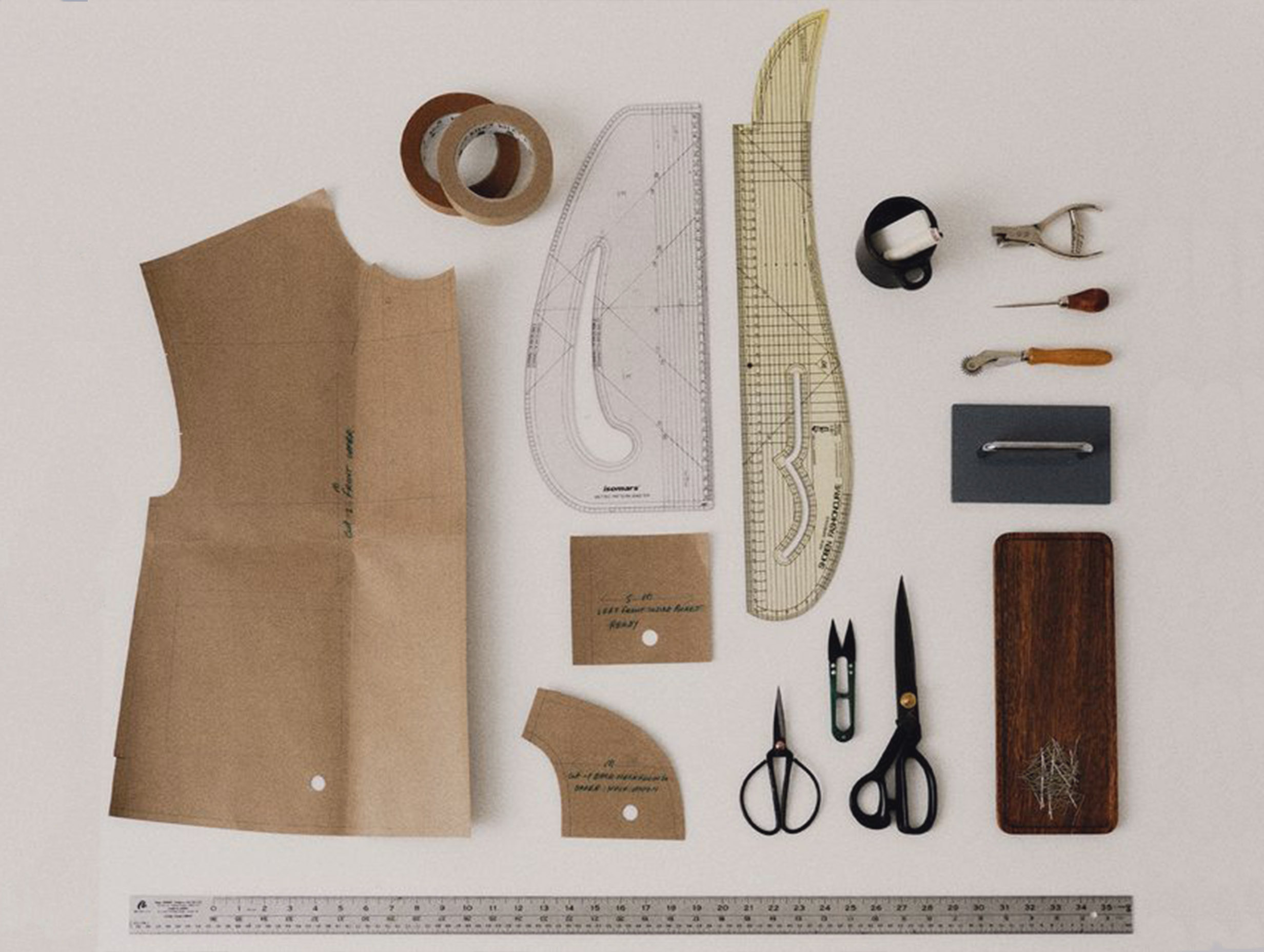
Building a Consistent Corporate Uniform Program
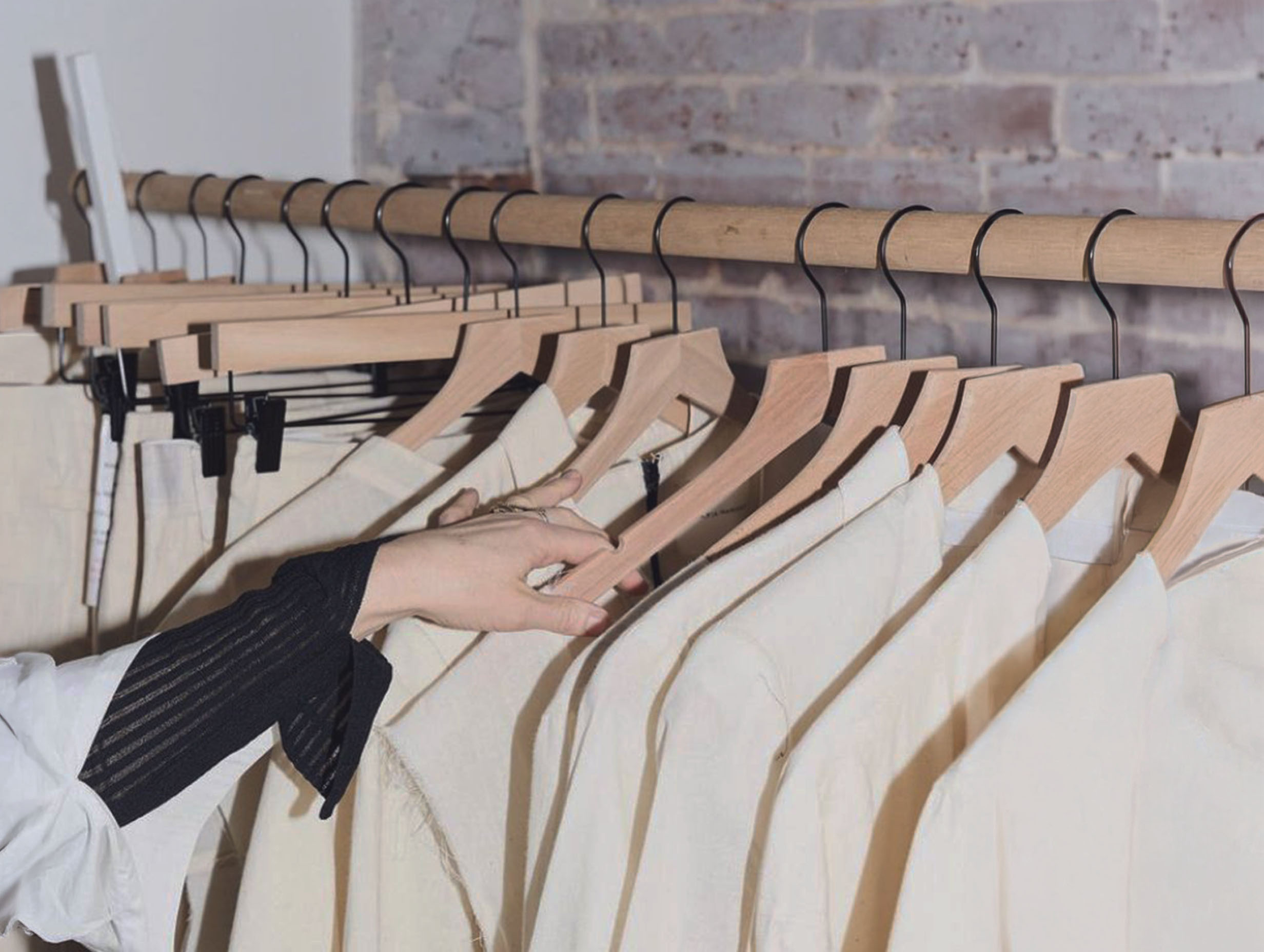
Building a Consistent Corporate Uniform Program
A successful corporate uniform program involves more than selecting a shirt and adding a logo. It requires a clear system for garments, colours, sizes, branding, distribution, and future orders.
When these elements are planned from the beginning, the organisation can maintain a professional and consistent appearance across roles, departments, locations, and periods of growth.
Define the Purpose of the Program
Begin by identifying what the uniform needs to achieve. The organisation may want to strengthen brand recognition, improve professionalism, make employees easier to identify, simplify workplace dressing, or coordinate teams across multiple locations.
Clear objectives help guide decisions about design, formality, colour, garment type, and budget. They also provide a reference point when evaluating samples and future additions to the collection.
Understand Different Employee Roles
Not every employee performs the same tasks or works in the same environment. Reception teams, managers, office employees, operational staff, and customer-facing teams may require different garments.
The objective is not necessarily to make everyone look identical. Instead, create a collection in which each role has the appropriate level of comfort and functionality while remaining visually connected to the wider organisation.
This can be achieved through shared colours, coordinated fabrics, consistent branding, and complementary garment styles.
Create a Defined Garment Collection
A structured uniform wardrobe makes ordering and distribution easier. Determine which garments are required for each role and how they can be combined.
A corporate collection may include:
- Shirts and blouses
- Polo shirts
- Trousers and skirts
- Dresses
- Blazers and jackets
- Waistcoats
- Ties and scarves
- Outerwear
- Branded casual garments
- Role-specific accessories
Seasonal requirements and the number of garments issued to each employee should also be considered.
Establish Colour Consistency
Brand colours can vary across fabrics, dye lots, thread, and printing methods. A colour that appears accurate on a screen may look different when applied to a physical garment.
Approved fabric references, thread colours, print samples, and production records help maintain consistency. If garments are likely to be reordered, materials and colour specifications should be documented from the start.
Using a controlled palette also makes it easier to add new roles or garments without disrupting the overall identity.
Develop a Reliable Sizing System
Poor fit can affect both appearance and employee confidence. A uniform program should accommodate the real size range and body diversity of the team.
A sizing process may include size charts, sample-size sets, employee fittings, or recorded measurements. Garments should also be evaluated for movement and comfort—not only how they appear while standing still.
Keeping organised sizing records can simplify repeat orders for existing employees, but personal information should be handled appropriately and kept up to date.
Standardise Branding
Logo size, colour, position, and application method should remain consistent across the collection. Without clear specifications, branding can appear slightly different each time a new garment is ordered.
Create approved standards for:
- Logo dimensions
- Embroidery thread colours
- Printing colours
- Chest, sleeve, or back placement
- Employee names and titles
- Garment-specific variations
These details help maintain a professional appearance even when different styles require adjusted placement.
Plan Sampling and Approval
Samples provide an opportunity to review garment fit, fabric, colour, construction, branding, and finishing before bulk production.
Relevant decision-makers should agree on the approved sample and specifications. Consolidating feedback at this stage reduces conflicting revisions and creates a clear production standard.
Prepare for Distribution
Uniforms can be organised by employee, size, department, or location to simplify distribution. Clear labelling and structured packaging reduce confusion when larger orders arrive.
The organisation should also define how new employees receive uniforms, how replacements are requested, and how damaged or outdated garments are handled.
Make Repeat Ordering Simple
A strong program should continue working after the first delivery. Keep accurate records of approved garments, fabrics, colours, branding files, sizes, and quantities.
Before future orders, confirm that materials remain available and determine whether any design or sizing updates are required. Forecasting recruitment, staff turnover, and seasonal requirements can also help prevent urgent shortages.
Build a Program That Can Grow With Your Team
Consistency comes from clear decisions, documented specifications, controlled branding, and a reliable ordering process. When these elements work together, the organisation can present a cohesive identity while meeting the practical needs of its employees.
Bait Al Muhtarif supports corporate uniform programs from design and sizing to production, branding, quality control, and repeat ordering. Contact our team to develop a practical uniform solution for your organisation.