From Concept to Delivery
From Concept to Delivery: The Journey of a Custom Apparel Project
A customised apparel project moves through several connected stages before the finished garments reach the client. Design, technical development, sourcing, sampling, branding, production, quality control, packaging, and delivery must all work together.
Understanding this process helps organisations prepare clear requirements, make informed decisions, and establish realistic expectations for their project.
1. Understanding the Requirements
Every project begins with a detailed conversation. The production team needs to understand the organisation, its visual identity, working environment, employee roles, required garments, quantities, timing, and budget considerations.
Important information may include:
- Garment types and intended use
- Number of employees and quantities
- Required size range
- Brand colours and logo files
- Preferred fabrics or performance needs
- Embroidery and printing requirements
- Delivery locations
- Desired completion timeframe
The clearer the initial brief, the more accurately the collection can be developed.
2. Establishing the Design Direction
The next stage translates the brief into a visual and functional direction. Existing brand guidelines, workplace conditions, employee responsibilities, and preferred style are considered together.
Decisions may include silhouettes, colour combinations, garment coordination, branding placement, trims, pockets, fastenings, and other practical details.
The aim is to create a collection that feels distinctive while remaining realistic for production and daily use.
3. Developing Technical Specifications
Once the direction is established, the design needs to be communicated through clear technical information.
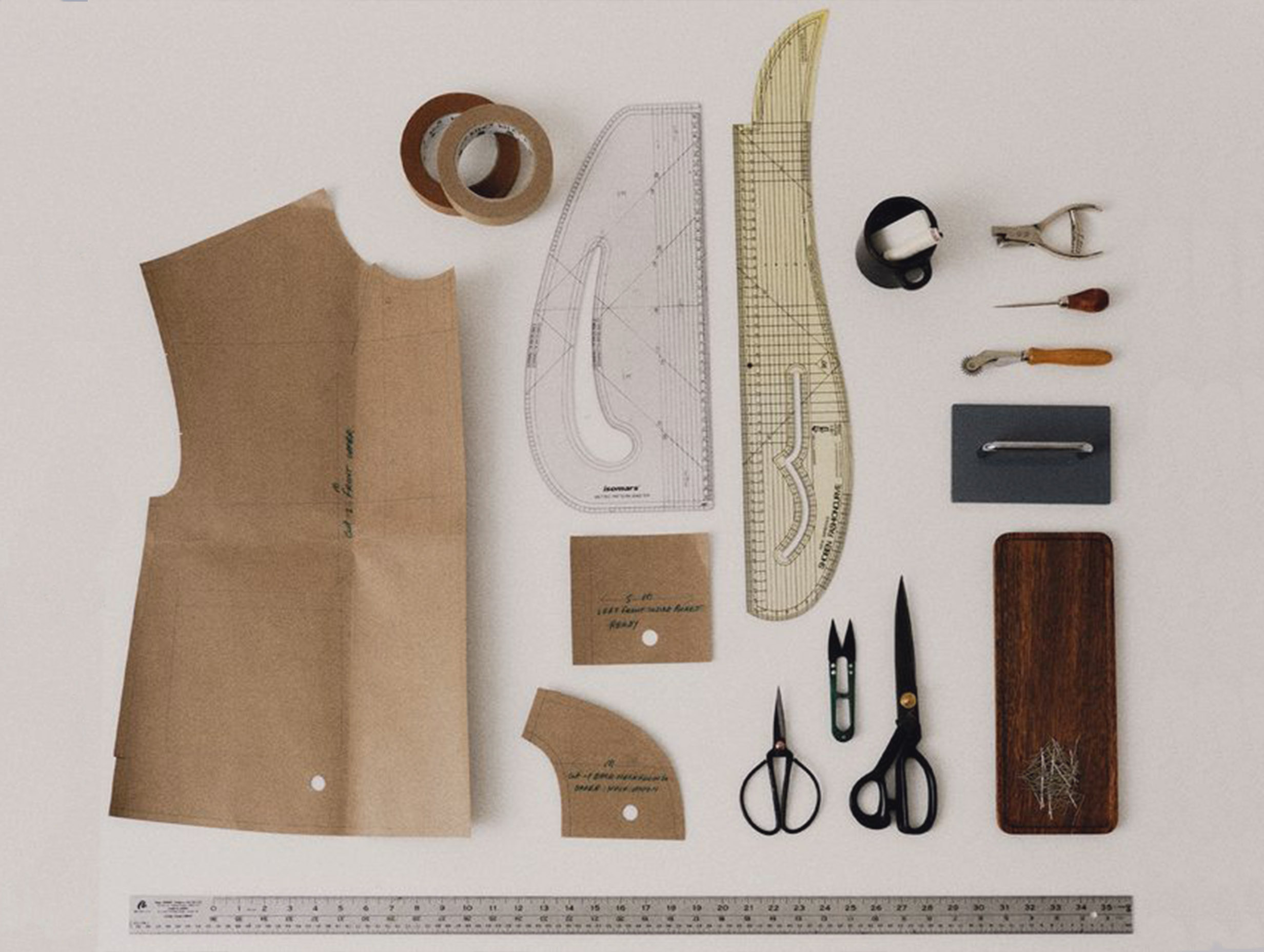
Technical packs may include garment drawings, measurements, construction details, material references, colour specifications, trims, labels, and branding placement. These documents guide sampling and production and help keep the approved details consistent.
Accurate specifications are especially important when a collection contains several garments, sizes, or role-specific variations.
4. Sourcing Fabrics and Trims
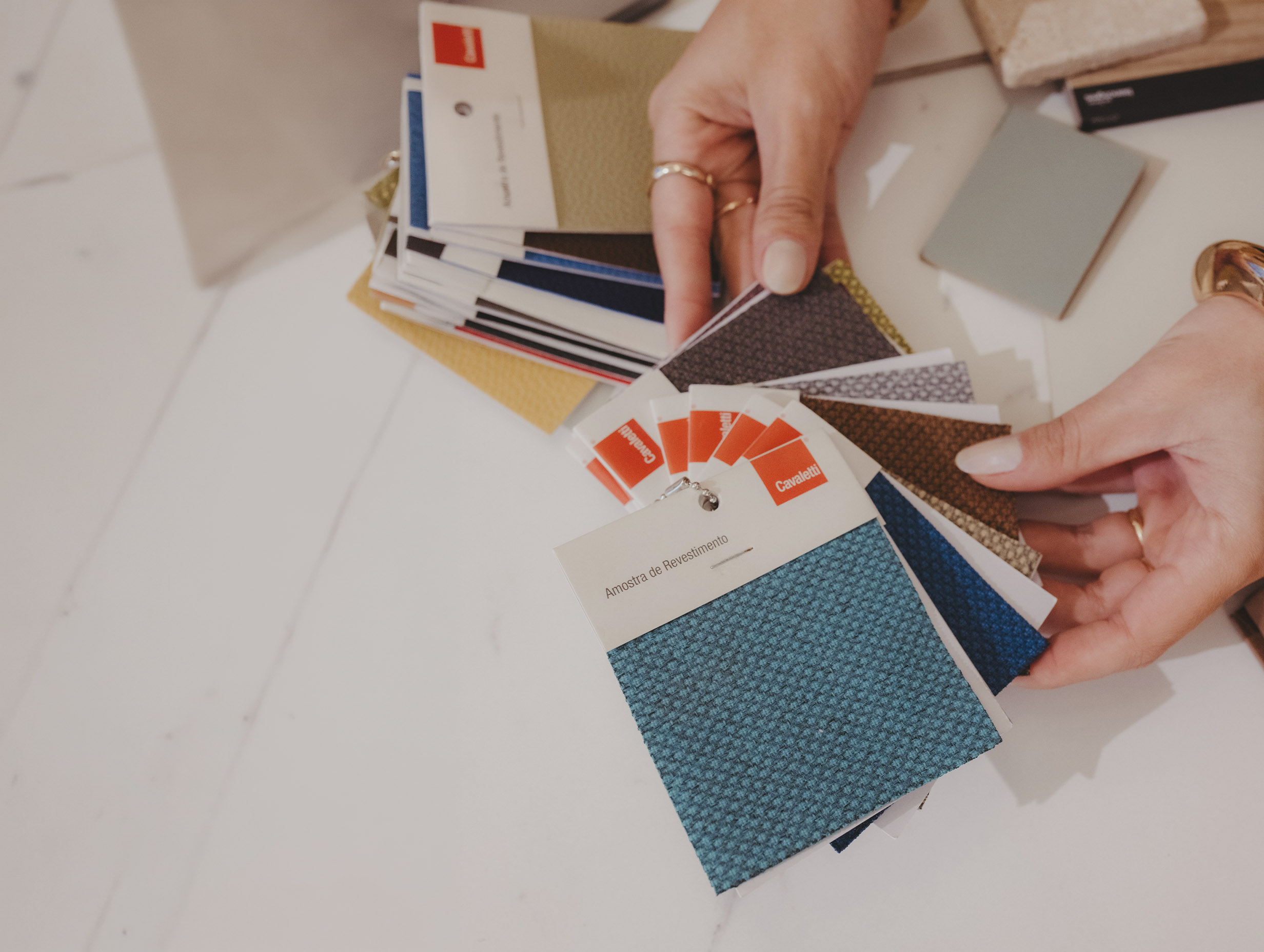
Materials are selected according to appearance, comfort, performance, availability, maintenance, and budget. Fabric weight, composition, texture, drape, breathability, durability, and colour are all evaluated.
Trims may include buttons, zippers, thread, elastic, labels, fastenings, and accessories. These details need to complement the garment and meet its practical requirements.
Availability should be confirmed before production, particularly when custom colours or larger quantities are involved.
5. Creating the First Sample
A sample turns the technical design into a physical garment. It allows the client and production team to evaluate fit, proportion, fabric behaviour, construction, colour, and overall presentation.
Branding may also be tested to confirm logo size, placement, thread colour, print quality, and compatibility with the selected material.
The first sample is an important development tool and may not be the final version.
6. Reviewing and Refining
Feedback from the sample is collected and translated into specific revisions. Adjustments may involve measurements, garment length, fit, fabric, pockets, closures, trims, colours, or branding.
Clear and consolidated feedback helps the process move efficiently. If significant changes are required, a revised sample may be produced for further review.
Once all details are accepted, an approved sample and final specification provide the standard for bulk production.
7. Confirming Sizes and Quantities
Before production begins, the final size breakdown and quantity for each garment should be confirmed.
This may involve employee measurements, fitting sessions, sample-size sets, or the use of an approved size chart. Quantities should also account for departments, locations, role requirements, and any planned spare garments.
Accurate information at this stage helps reduce changes and delays once materials have been allocated and production has started.
8. Beginning Bulk Production
After the sample, materials, quantities, and specifications are approved, the project moves into production.
Fabric is prepared and cut according to the required sizes. Garments are then constructed, assembled, and finished based on the approved details.
Progress is monitored throughout the process to help maintain consistency across styles, colours, and quantities.
9. Applying Printing and Embroidery
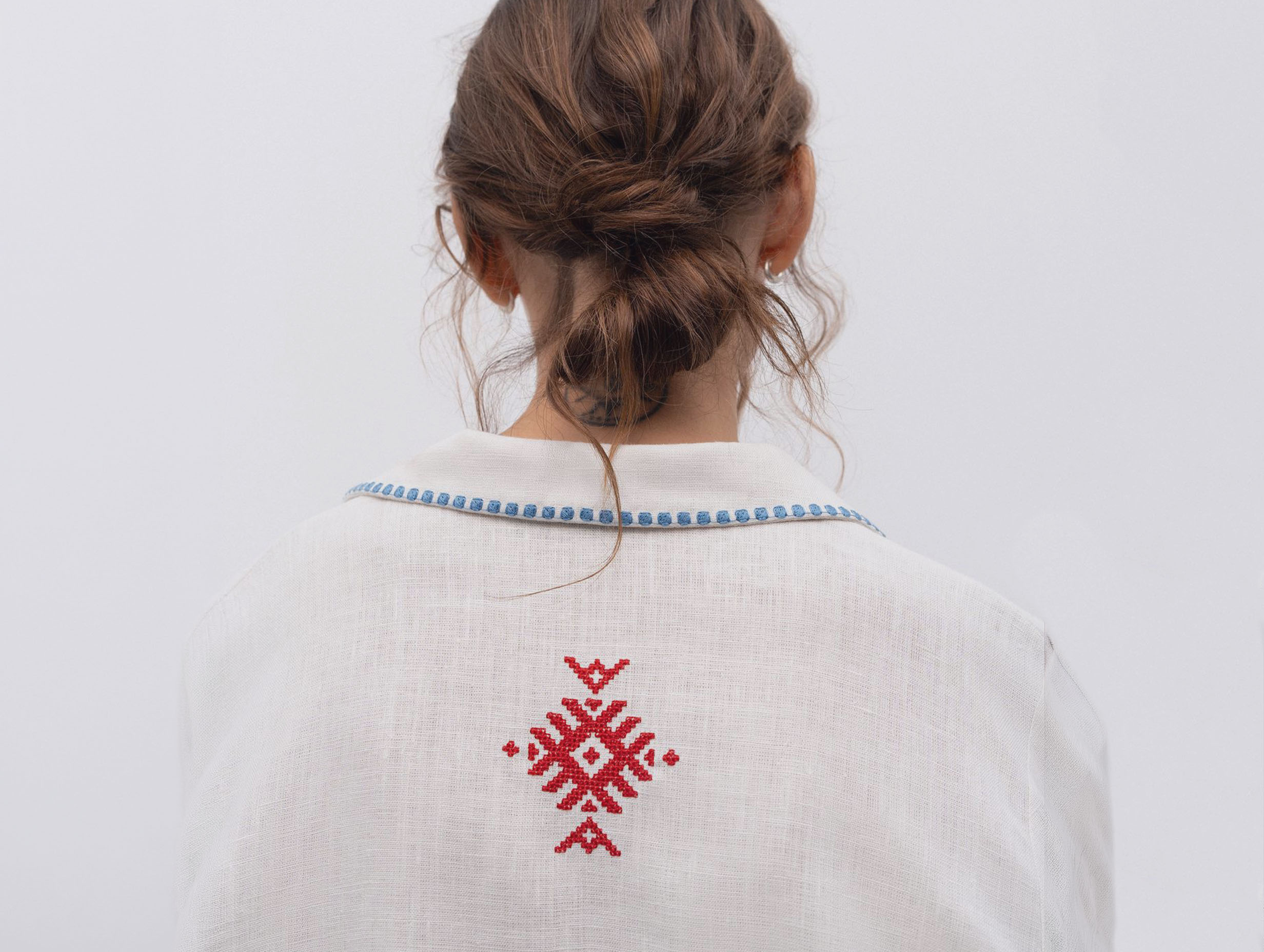
Branding is applied using the approved artwork, dimensions, colours, and placement.
Depending on the project, this may involve embroidery, sublimation, direct-to-film printing, heat transfer, or another appropriate technique. The method should already have been confirmed during sampling to reduce unexpected differences during production.
Logo placement may require slight positioning adjustments across garment sizes, but the overall appearance should remain consistent.
10. Completing Quality Control
Quality should be considered throughout production and confirmed again before packaging.
Checks may include:
- Garment measurements
- Fabric and colour consistency
- Stitching and construction
- Trims and fastenings
- Logo placement and clarity
- Print or embroidery quality
- Finishing and cleanliness
- Quantities and size labels
- Overall presentation
Items requiring correction should be identified before the order proceeds to final packaging.
11. Packaging the Order
Garments can be folded, labelled, and organised according to the agreed requirements. Orders may be separated by employee, size, department, garment type, or delivery location.
Thoughtful organisation makes distribution easier when the order arrives and reduces the time required to identify individual items.
12. Coordinating Delivery
The final stage is delivery to the agreed location or locations. Quantities and packaging details should be confirmed against the order before dispatch.
All relevant production information should remain recorded, particularly when the organisation expects to place repeat orders. Approved specifications, branding details, material references, and sizing records can make future production more efficient and consistent.
One Managed Process, One Consistent Result
Every stage of a custom apparel project affects the next. A clear brief supports stronger design, accurate specifications improve sampling, and an approved sample creates a reliable standard for production.
By managing the complete process carefully, organisations can achieve a collection that reflects their identity, supports their employees, and arrives ready for use.
Bait Al Muhtarif provides full-service production from initial concept and technical development to sourcing, sampling, branding, quality control, packaging, and delivery. Contact our team to begin planning your customised apparel project.