Designing Hospitality Uniforms That Perform
Designing Hospitality Uniforms That Perform
Hospitality uniforms help shape a guest’s first impression, but their role extends far beyond appearance. Employees may spend long hours standing, walking, serving, carrying, cleaning, and moving between different temperatures.
A successful hospitality uniform must therefore balance visual presentation with comfort, breathability, flexibility, durability, and practical daily care.
Begin With the Guest Experience
The uniform should feel connected to the environment and the experience the business wants to create. A luxury hotel, relaxed restaurant, contemporary café, resort, and formal event venue will each require a different visual direction.
Consider the atmosphere of the space, its interior materials, colour palette, service style, and customer expectations. The garments should complement these elements without feeling like a costume or distracting from the employee’s role.
When the visual identity is translated carefully, the uniform becomes part of the complete guest experience.
Design Around Each Role
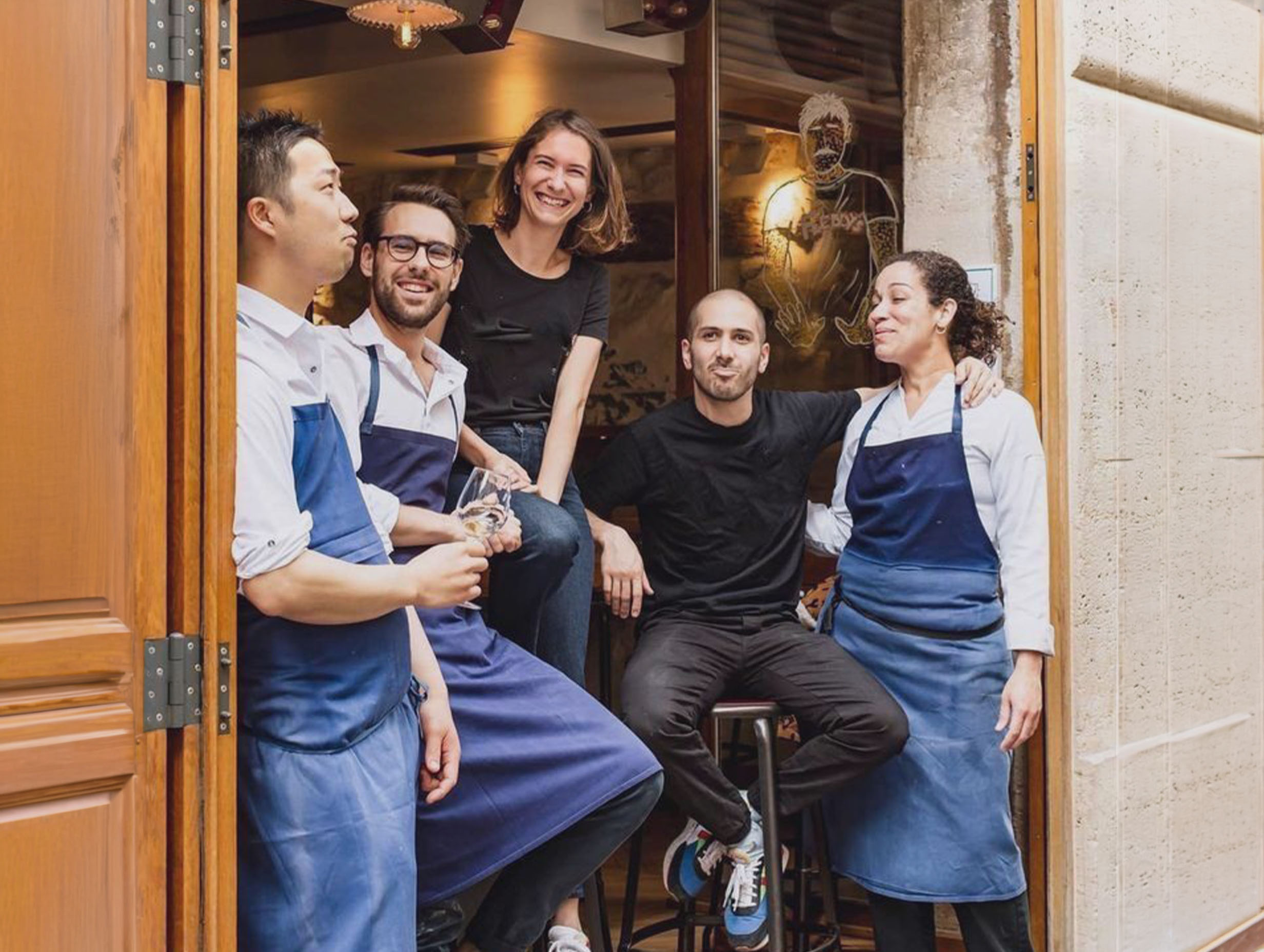
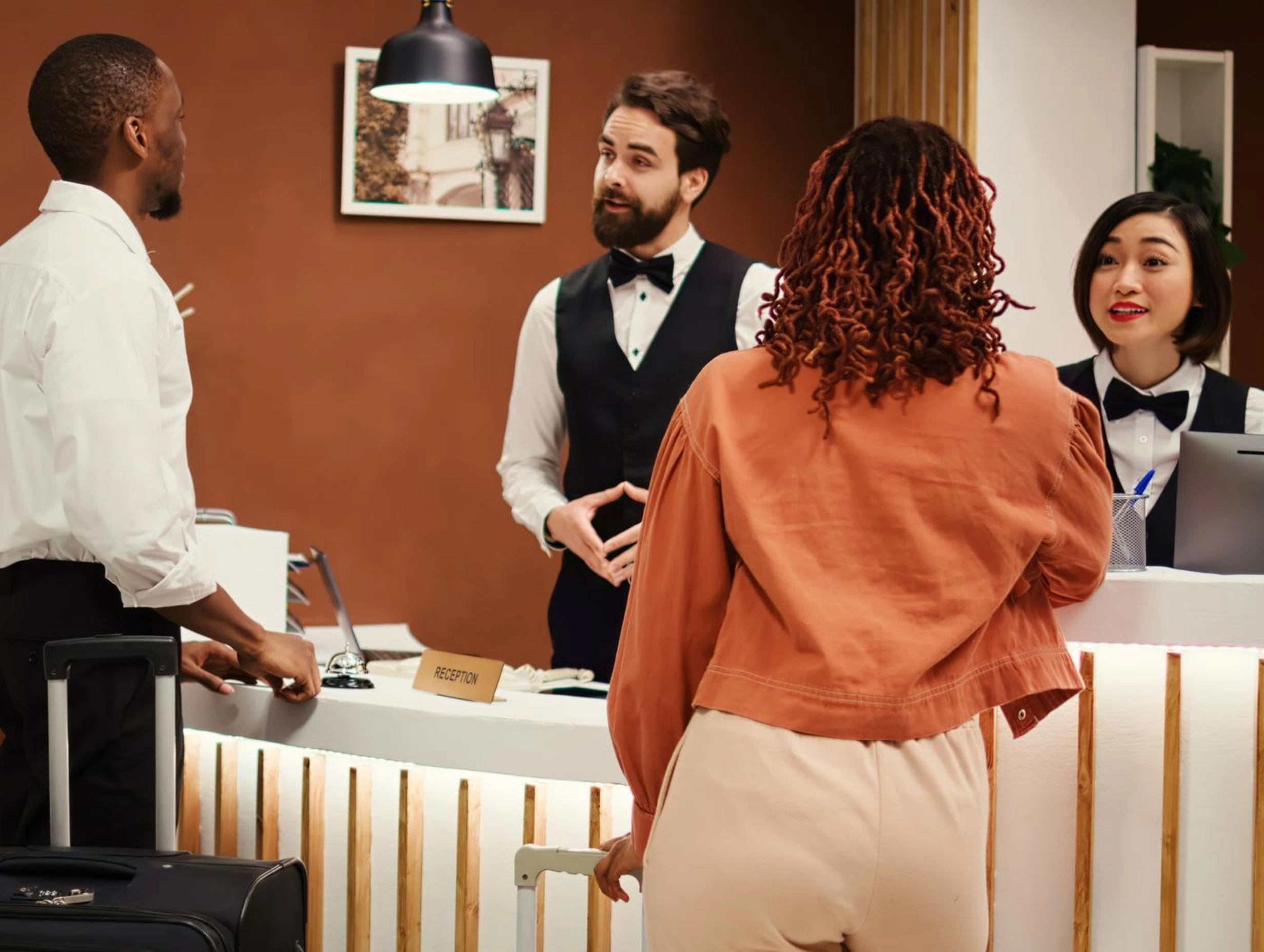
Hospitality teams often include reception staff, servers, hosts, chefs, housekeeping employees, supervisors, and management. Each role has distinct practical requirements.
Front-of-house garments may prioritise refinement and brand visibility, while operational roles may require greater protection, movement, or easy maintenance. The collection should distinguish roles where necessary while keeping the full team visually connected.
Shared colours, trims, fabrics, aprons, or accessories can create consistency across different garment types.
Support Continuous Movement
Hospitality employees rarely remain still. Garments should allow comfortable walking, reaching, bending, lifting, and serving throughout a shift.
The cut should provide sufficient movement without appearing oversized or losing its intended shape. Sleeve design, trouser construction, garment length, pocket placement, and fastening positions all affect daily performance.
Samples should be tested through realistic movements to identify restriction, shifting, or discomfort before full production.
Select Breathable Fabrics
Warm environments, outdoor areas, kitchens, and continuous activity can make breathability essential. Fabric weight and composition should be chosen according to the employee’s role and working conditions.
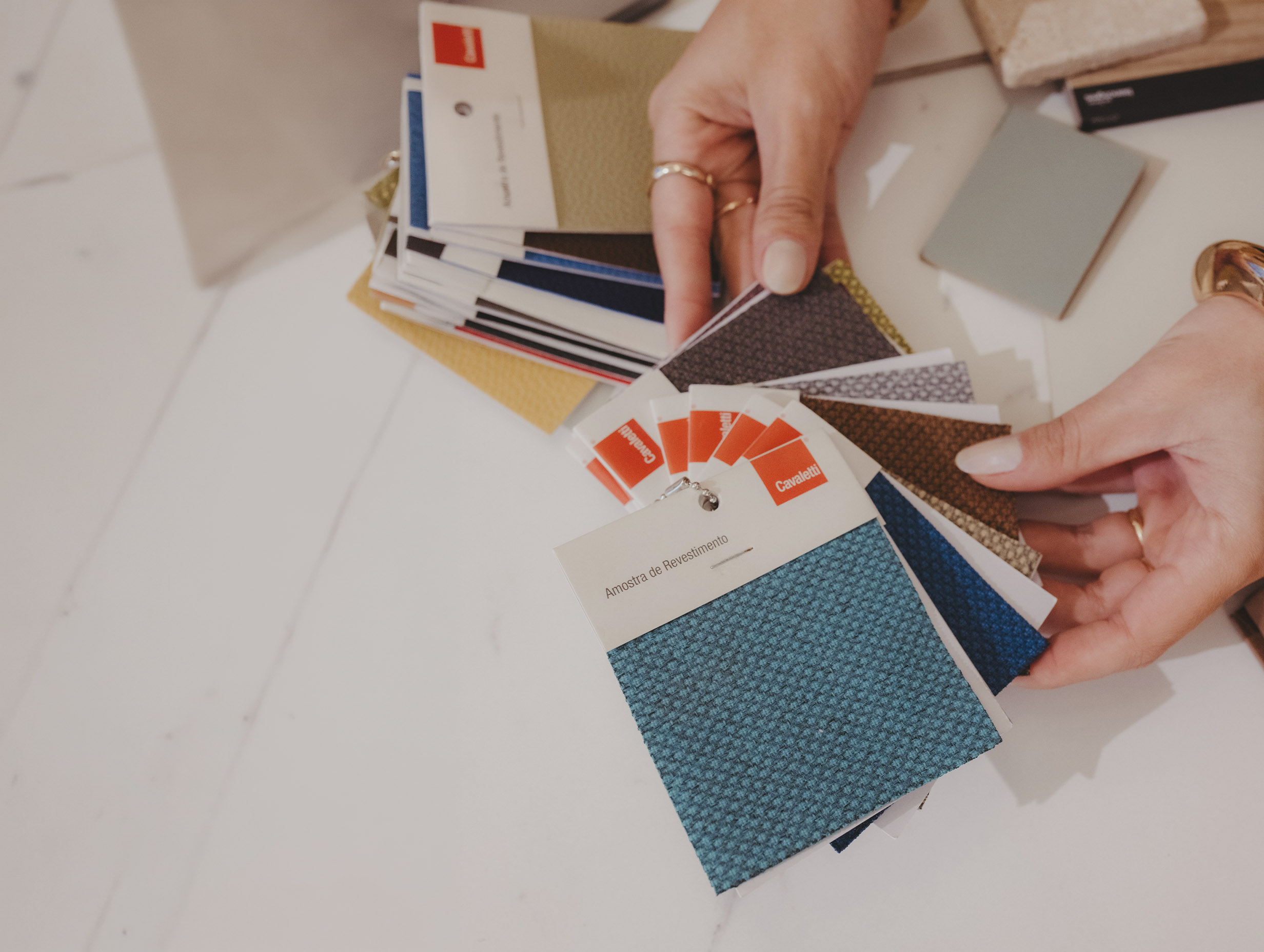
Lighter materials may improve comfort, but they should still offer appropriate coverage and structure. Blended fabrics can sometimes provide a useful balance between breathability, durability, wrinkle resistance, and easier care.
Layering should also be considered for teams moving between indoor and outdoor environments.
Plan Practical Details
Small design decisions can make a significant difference during a shift. Useful details may include:
- Secure and accessible pockets
- Adjustable waistbands or fastenings
- Aprons with practical storage
- Sleeves that support movement
- Closures that are easy to use
- Appropriate garment lengths
- Fabrics that help manage visible stains
- Role-specific protection where needed
These features should be integrated without disrupting the overall aesthetic.
Prepare for Frequent Washing
Hospitality garments often require regular cleaning, so fabrics, colours, trims, and branding must be selected with maintenance in mind.
Consider whether garments will be washed by employees or through a commercial laundry service. Care requirements should be realistic and clearly communicated.
The collection should be assessed for colour retention, shape stability, shrinkage, wrinkling, and the continued appearance of embroidery or printing after repeated care.
Create a Flattering and Inclusive Fit
Hospitality teams include different body types and sizes. A thoughtful size range and appropriate fit options help employees feel comfortable and confident.
Uniforms should be evaluated on real people where possible. A design that looks successful in a sketch may behave differently across sizes or during movement.
Providing coordinated options—rather than forcing one silhouette onto every employee—can improve both comfort and consistency.
Keep Branding Refined
Hospitality branding should usually complement the garment rather than dominate it. Embroidered logos, custom trims, distinctive colours, branded buttons, scarves, aprons, or subtle printed details can all reinforce identity.
The placement should remain visible and intentional without competing with the overall presentation or limiting comfort.
Test Before Production
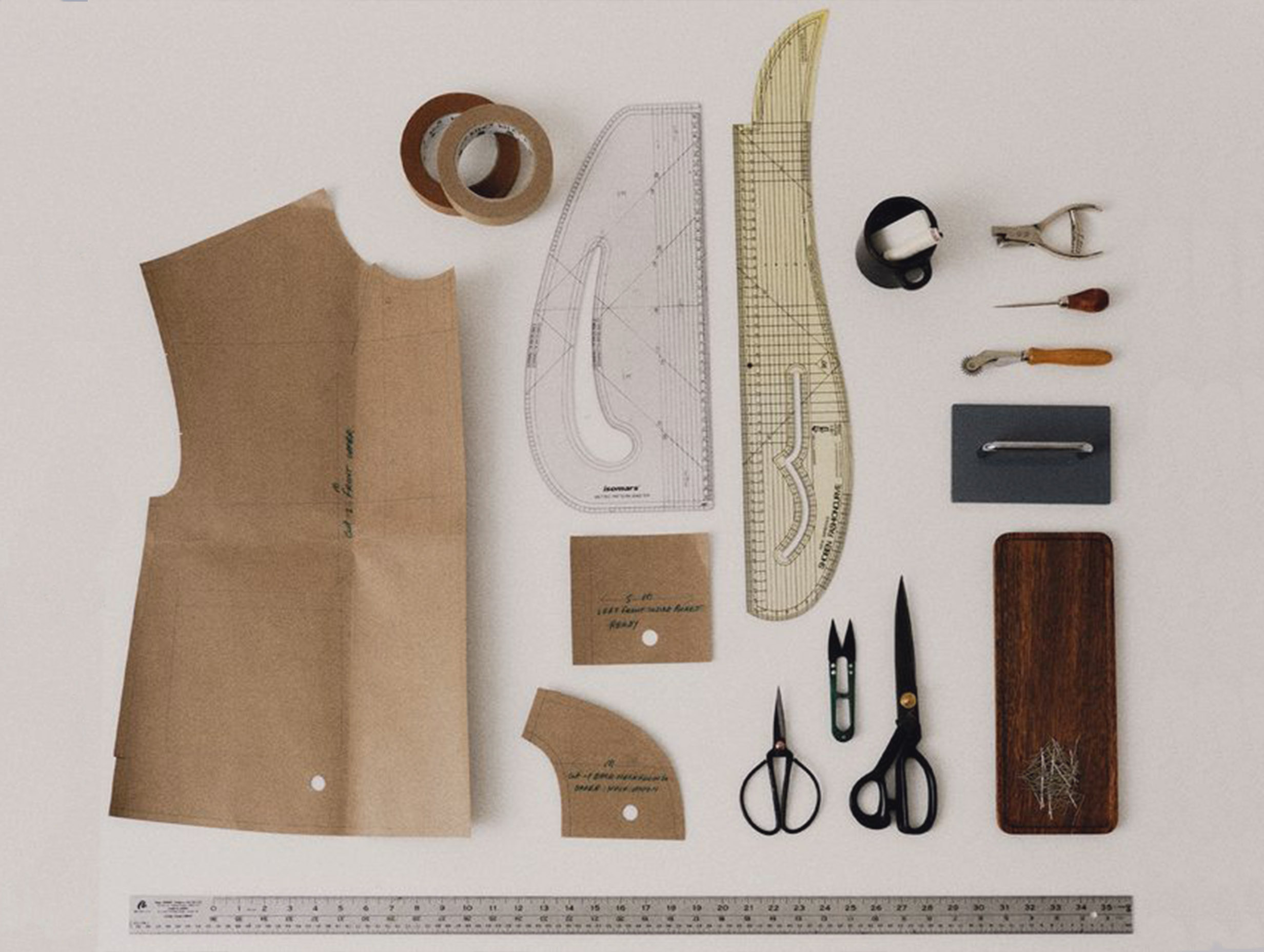
Sampling allows the team to evaluate appearance, movement, fit, fabric, branding, and practical details. Selected employees can wear the samples in realistic conditions and provide useful feedback.
This stage can reveal whether a pocket is correctly positioned, a fabric feels too warm, or a garment restricts a common movement. Adjusting these details before bulk production creates a stronger final collection.
Create Uniforms Employees Can Perform In
The best hospitality uniforms appear effortless because visual and practical decisions have been carefully balanced. They support employees through the demands of service while contributing to a memorable and consistent guest experience.
Bait Al Muhtarif develops customised hospitality uniforms around each brand, environment, and team. Contact us to create a collection that looks polished and performs throughout every shift.