Choosing the Right Fabric for Your Team
Choosing the Right Fabric for Your Team
Fabric is one of the most important decisions in any uniform project. It influences how a garment looks, feels, performs, and responds to regular washing and repeated use.
The right choice should not be based on appearance alone. Comfort, durability, movement, climate, maintenance, and the responsibilities of each employee must all be considered.
Begin With the Working Environment
The ideal fabric depends on where and how the uniform will be worn. An employee working in an air-conditioned office has different requirements from someone moving continuously through a warm hospitality environment or working outdoors.
Before selecting a material, consider:
- Whether the work takes place indoors or outdoors
- The temperature and climate
- The employee’s level of movement
- The length of a typical shift
- Exposure to moisture, stains, or frequent washing
- The level of formality required
- Any role-specific practical or safety requirements
Understanding the environment helps narrow the options and prevents a fabric from being selected only because it looks attractive as a sample.
Prioritise Comfort and Breathability
A uniform is worn for many hours, so comfort directly affects the employee’s experience. Breathable fabrics can help manage warmth and improve comfort, particularly in active roles or hot climates.
Weight is also important. A fabric that is too heavy may feel restrictive, while one that is too light may lack structure or become transparent. The best choice creates an appropriate balance between breathability, coverage, and presentation.
The way a material feels against the skin should also be considered, especially for garments worn without an additional layer.
Consider Movement and Flexibility
Employees need to move naturally while completing their responsibilities. Reaching, bending, walking, sitting, and lifting can all place demands on a garment.
Fabrics with suitable flexibility—or blends that include a degree of stretch—may be appropriate for active roles. The garment’s cut and construction should work with the fabric to provide movement without losing its shape.
Sampling is valuable because it allows the material to be evaluated as a finished garment rather than as a small swatch.
Evaluate Durability
Uniforms are worn and washed more frequently than many everyday garments. The selected fabric should be able to withstand regular use while retaining its colour, shape, and overall appearance.
Durability does not simply mean choosing the heaviest material. The weave, fibre composition, construction, and intended application all influence performance.
High-contact areas such as elbows, knees, pockets, collars, and cuffs may require additional consideration depending on the role and garment type.
Plan for Care and Maintenance
A beautiful uniform will not remain effective if it is difficult for employees to maintain. Consider how the garments will be washed, dried, pressed, and stored.
Important questions include:
- Can the garment be machine washed?
- Does it require professional cleaning?
- Is it likely to wrinkle easily?
- How quickly does it dry?
- Will the colour remain consistent after repeated washing?
- Is the fabric suitable for the selected printing or embroidery method?
Clear care instructions should be provided to help the garments maintain their appearance for as long as possible.
Balance Natural and Performance Fibres
Natural fibres can offer softness, breathability, and a refined feel. Synthetic or blended fabrics may provide improved durability, shape retention, wrinkle resistance, or easier maintenance.
There is no single composition that works for every uniform. The most suitable option depends on the balance of comfort, appearance, performance, and care required by the organisation.
Test Before Committing to Production
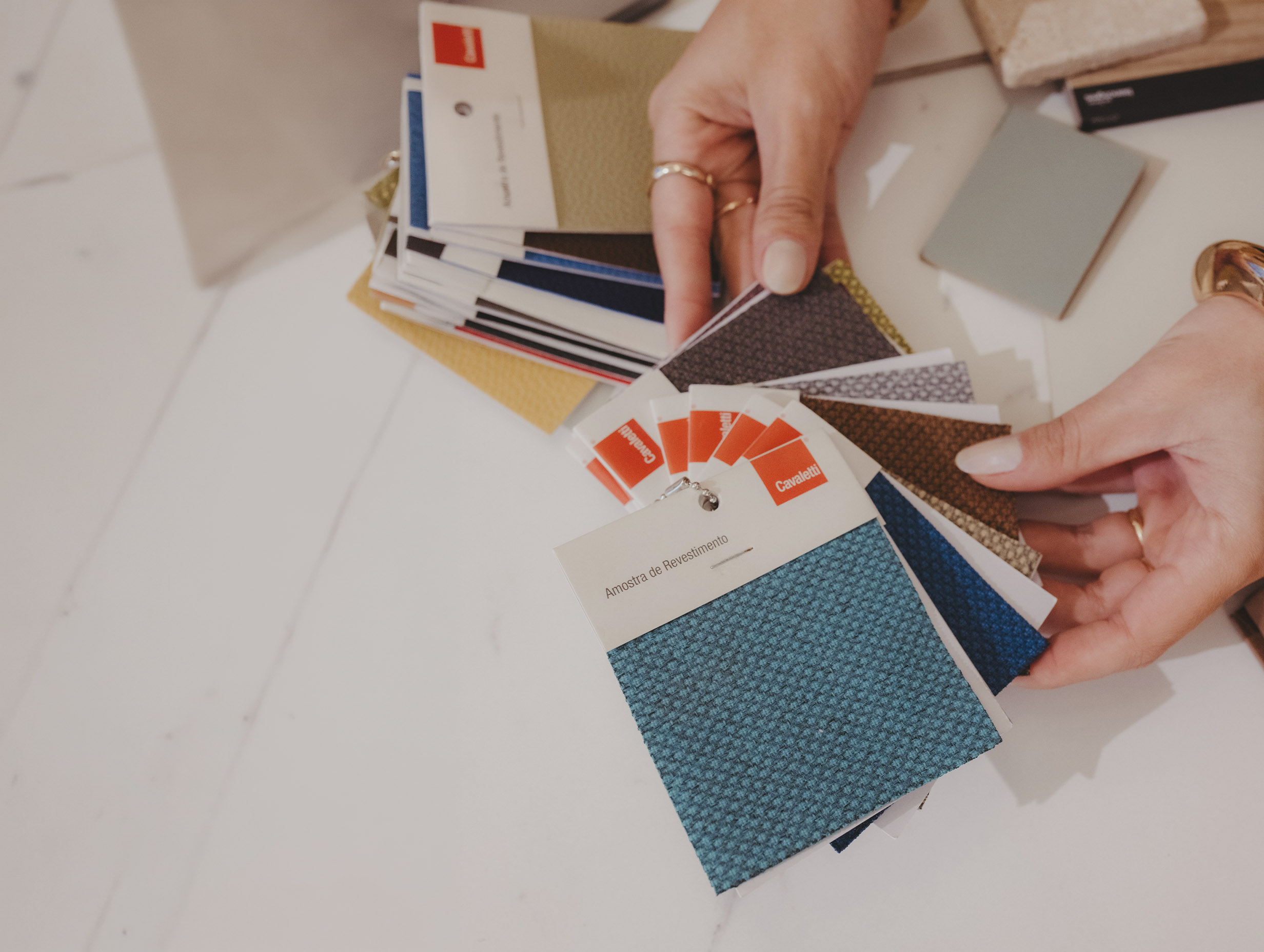
A fabric may look different once it has been cut, stitched, branded, washed, and worn. Producing a sample allows the team to review its weight, drape, fit, colour, comfort, and compatibility with embroidery or printing.
Testing the garment in realistic conditions can reveal concerns that may not be visible during the initial selection process.
Find the Right Material for the Role
The best uniform fabric supports the employee throughout the working day while maintaining the organisation’s desired appearance. By evaluating the environment, movement, durability, climate, and maintenance requirements, businesses can make a more informed and practical choice.
Bait Al Muhtarif supports clients through fabric sourcing, sampling, garment development, and full production. Contact our team to discuss the most suitable materials for your uniform collection.