Embroidery or Printing: Which Is Best?
Embroidery or Printing: Which Is Best?
Branding transforms a garment into part of a recognisable uniform collection. However, the result depends on selecting a method suited to the artwork, fabric, garment, quantity, and intended use.
Embroidery, sublimation, direct-to-film printing, and heat transfer each offer a different appearance and application. Understanding these differences can help you choose the right finish for your project.
Embroidery
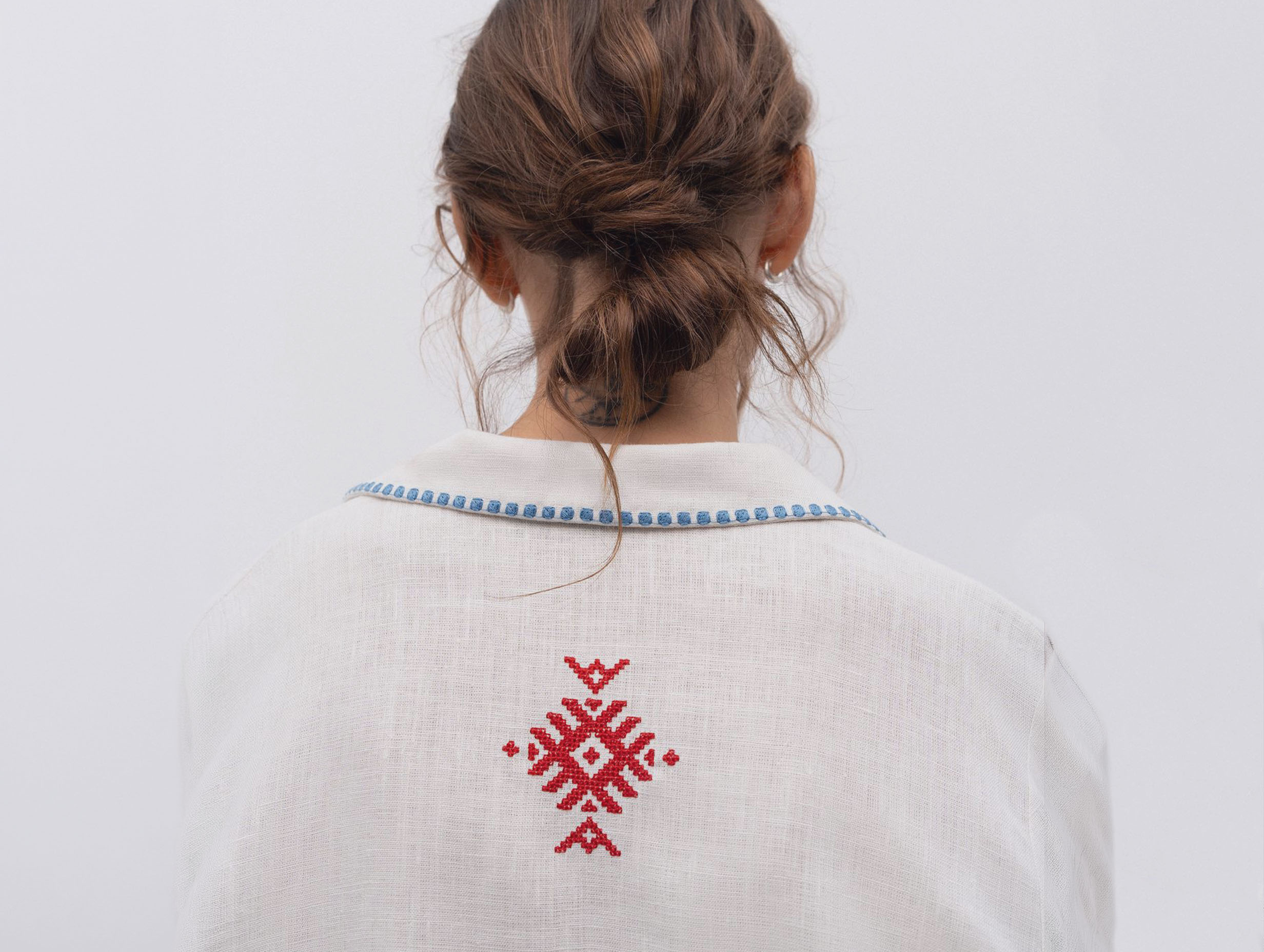
Embroidery uses thread to stitch a design directly onto the garment. It creates a textured, dimensional finish that often feels refined and professional.
It is commonly used for company logos, employee names, job titles, chest details, sleeves, caps, polo shirts, jackets, and aprons.
Embroidery works particularly well when:
- A polished and structured appearance is required
- The artwork contains clear shapes and readable lettering
- The garment can support the weight of the stitching
- A textured finish complements the design
- Branding will be placed in a smaller, focused area
Very fine lines, tiny lettering, complex gradients, and highly detailed artwork may need to be simplified before embroidery. The design must first be converted into a stitch-ready file that controls density, direction, sequence, and colour changes.
Sublimation Printing
Sublimation transfers a design into compatible fabric rather than placing a separate layer on top of it. The result becomes part of the material, creating a lightweight finish without a raised surface.
It is particularly effective for full-colour graphics, repeated patterns, gradients, and designs covering large areas of a garment.
Sublimation may be suitable when:
- The design contains several colours or detailed graphics
- A lightweight and smooth result is preferred
- Large or all-over artwork is required
- The garment is made from a compatible, typically polyester-based material
- Breathability and freedom of movement are important
Fabric composition and garment colour affect whether sublimation is suitable, so these details should be confirmed during development.
Direct-to-Film Printing
Direct-to-film, commonly known as DTF, prints artwork onto a transfer film before applying it to the garment. It can reproduce detailed, multicolour designs across a wide range of compatible garment types.
DTF can be effective when:
- The artwork includes fine details or multiple colours
- A strong and clearly defined graphic is required
- Small or medium quantities are needed
- The same artwork will be applied to different garment styles
- The design is not suitable for embroidery
The finished print sits on the fabric’s surface, so size, placement, and garment flexibility should be considered to maintain comfort and appearance.
Heat-Transfer Printing
Heat transfer uses heat and pressure to apply a prepared design or material onto a garment. It is frequently used for names, numbers, logos, identification details, and limited-quantity customisation.
Heat transfer may be appropriate when:
- Individual names or numbers are required
- Quantities are relatively small
- The artwork is simple and clearly defined
- Fast personalisation is needed
- A specific finish or transfer material is preferred
The durability and feel depend on the transfer type, application, fabric, and care. Washing instructions should be followed carefully to protect the finished design.
How to Select the Right Method
Begin by considering five factors:
1. The Artwork
Simple logos with clear shapes often translate well into embroidery. Detailed illustrations, gradients, and photographic elements are generally better suited to printing.
2. The Fabric
Not every branding technique works equally well on every material. Fabric weight, composition, texture, stretch, and heat sensitivity must be reviewed.
3. The Garment
The location of seams, pockets, buttons, and panels may limit where a design can be applied. The garment must also be able to support the chosen finish.
4. The Intended Use
Consider how frequently the garment will be worn and washed, the working environment, and whether the branding area needs to remain flexible and breathable.
5. The Desired Appearance
Embroidery offers texture and a traditional professional finish. Printing may provide greater colour freedom, finer visual detail, or a lighter result.
Samples Help Confirm the Decision
A sample allows you to evaluate size, placement, colour, texture, and compatibility before completing the full order. It is particularly useful when applying a new logo or working with an unfamiliar fabric.
The strongest branding method is not always the most elaborate one. It is the method that presents the artwork clearly, complements the garment, and performs appropriately in its intended environment.
Bait Al Muhtarif provides embroidery and garment-printing solutions based on each project’s design, material, and practical requirements. Share your artwork and garment details with our team to determine the most suitable option.